#science

2949 posts · Last used 6h

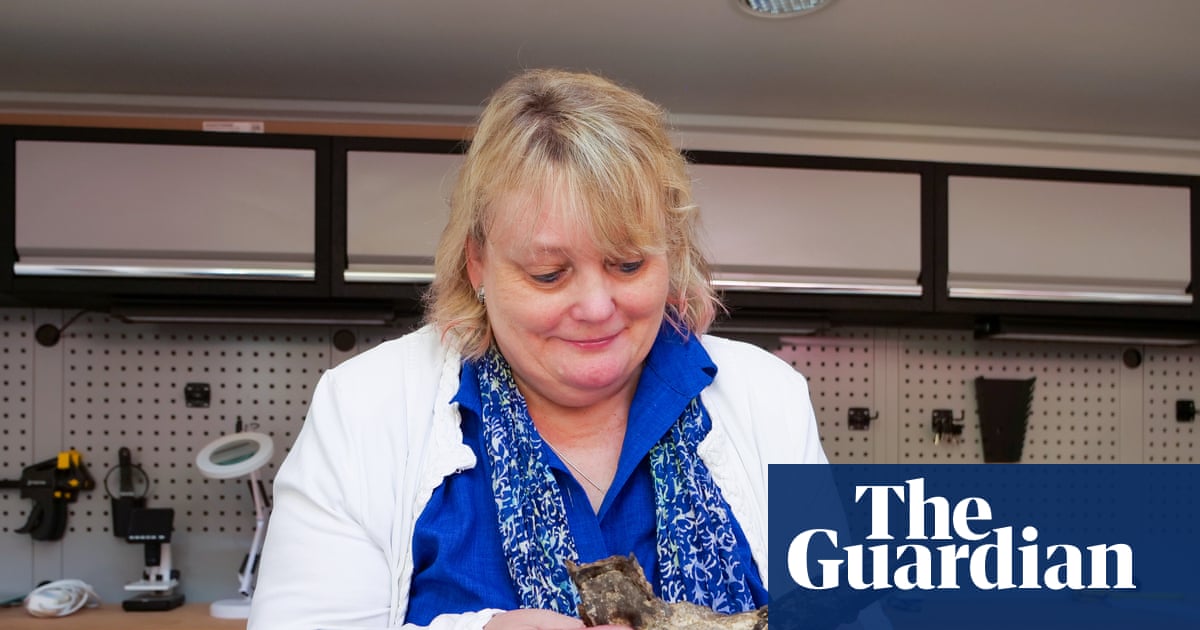
My Royal Institution lecture about soil biodiversity is now live on the RI's YouTube channel! What an incredible privilege to speak in the historic Faraday Lecture Theatre, and to such a wonderfully engaged and packed crowd too. Watch the video to learn about the creatures that keep our planet running: Springtails that leap faster than an eye blink, slime moulds that recreated Tokyo’s rail network, armoured mites that have gone without males for around 100 million years, and the colony of tardigrades on the Moon. Along the way, we bust some earthworm myths, look at how European earthworms are invading North America, and learn how soil life is inspiring new materials and robots. Thanks again to the Royal Institution for inviting me to speak, as part of my recent book tour for 'The World Beneath our Feet: The Hidden Life of Soil and Why it Matters to us All' (out now!). Video here: https://www.youtube.com/watch?v=tUQtwwgU3r4 #SoilBiodiversity #ScienceCommunication #SciComm #Soil #Science

Is soil actually alive? | with Frank Ashwood

16
0
24
0
Hello, Fediverse! 👋 I'm the person behind Next Horizon, an independent science publication. I'm fascinated by space, artificial intelligence, medicine, and the discoveries changing how we understand our world. I write about complex science in a way anyone can enjoy. But I'm not here just to share articles. I'm here to learn, exchange ideas, and have real conversations. Curiosity brought me here. Let's see where it takes us! 🔭 🌐 nexthorizon.space #Introduction #SciComm #Science #Space #AI
0
0
1
0
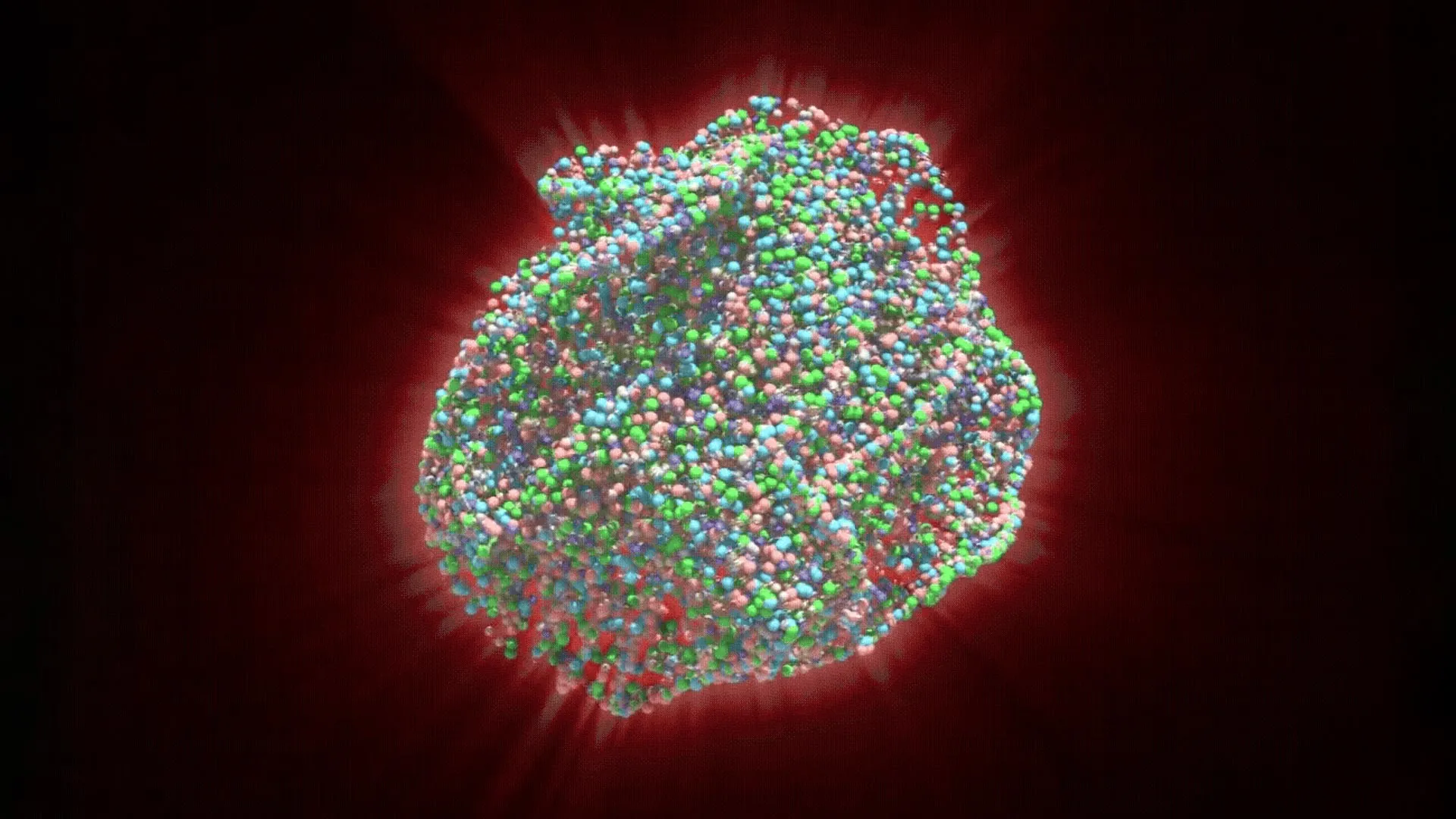
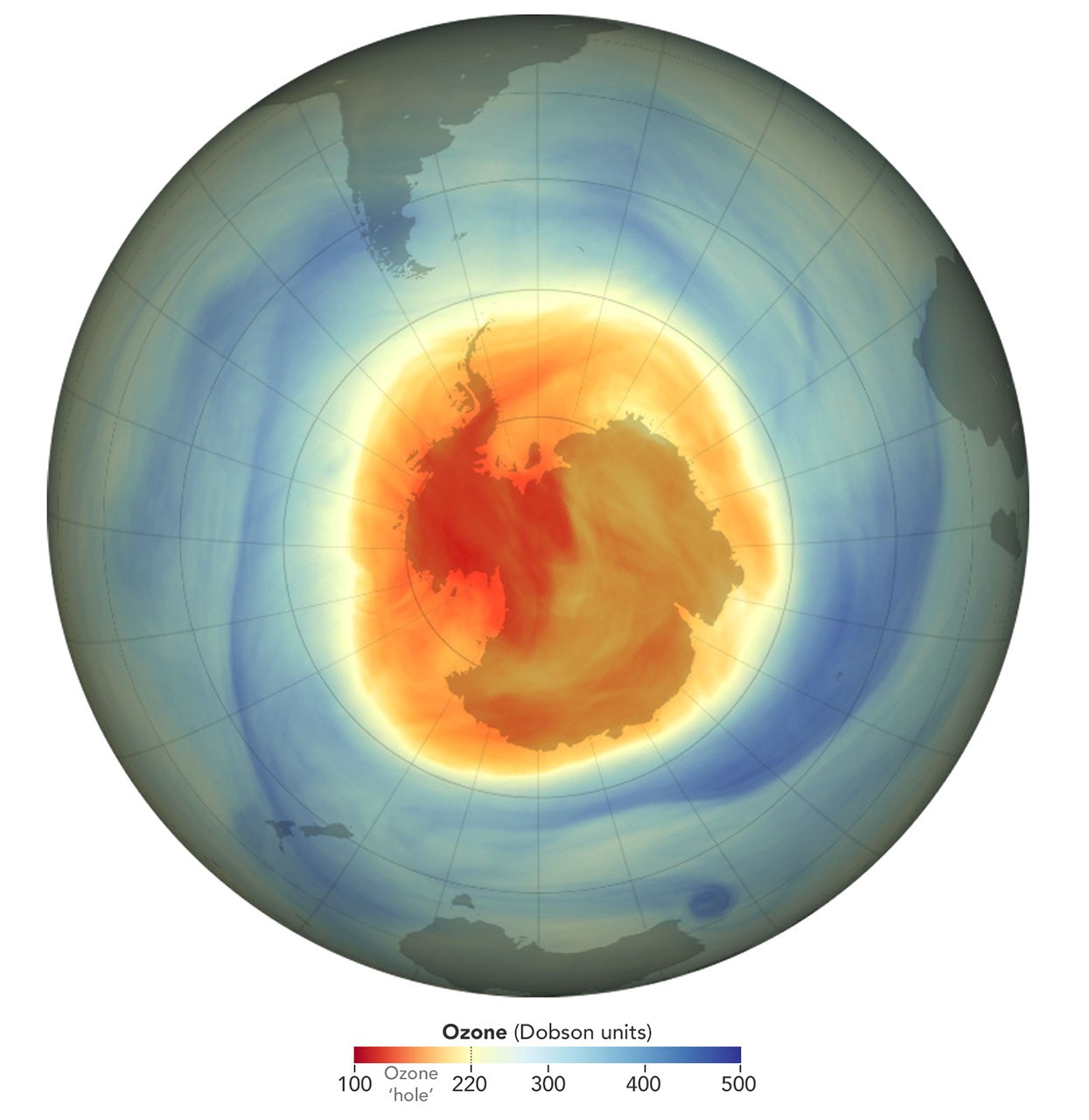
Large Hadron Collider reveals evidence of Big Bang matter in surprisingly small collisions Quark–gluon plasma (QGP) is an unusual state of matter that appears under tremendous pressure and heat. At temperatures exceeding 100,000 times those at the Sun’s center, particles such as protons and neutrons can no longer maintain their normal structure. Instead, they break apart into quarks and the gluons that ordinarily bind them together. Physicists believe that this was the state of matter throughout the universe during the first millionths of a second after the Big Bang. Nearly 14 billion years later, researchers can briefly recreate these extraordinary conditions by smashing atomic nuclei together at extremely high energies inside the LHC.
0
0
0
0
How researchers debunked ‘race science’: ‘a triumph of scientific self-correction’ An account of how nineteenth-century studies aiming to find a biological basis for human races were dismantled by good scientific practices — although their effects are still felt today. OG Link: www.nature.com/articles/d41586-026-03507-z
0
2
0
0
Lights in the sky ✨ The telescope gazing at the Milky Way in admiration is the Danish 1.54-meter telescope, hosted at La Silla in #Chile. And do not worry, the green glow we see in this image –too faint to be seen with the naked eye– is not a result of urban light pollution. This is a natural phenomenon known as airglow. What causes it? Find out: https://www.eso.org/public/images/potw2645a/ 📷 J. Rodrigues/ESO #astrodon #astronomy #astrophysics #space #science
25
0
20
0
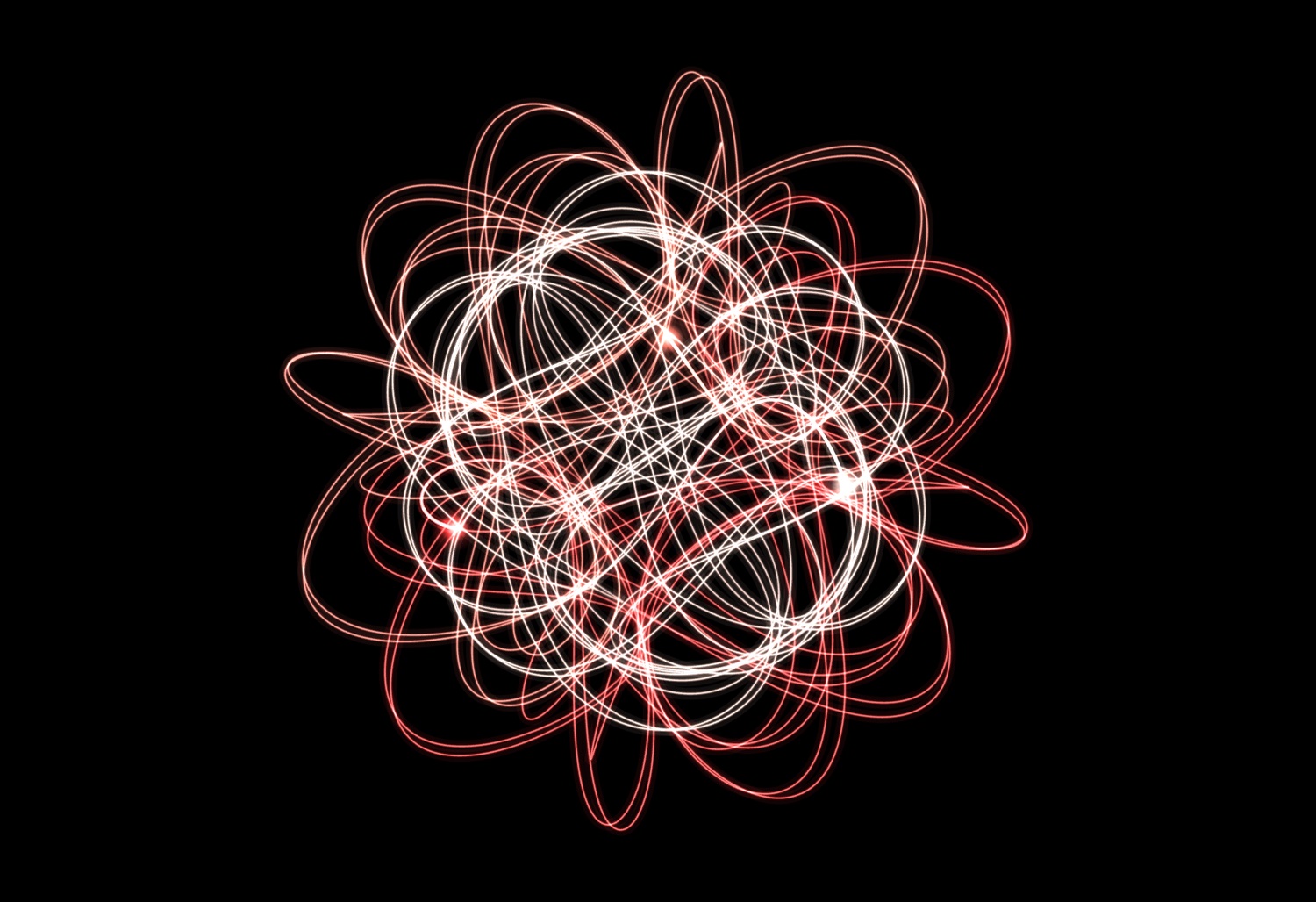
Three-Body Orbits [Gallery] There are no generalized solutions to the three-body problem. Say you have three planets orbiting each other: it’s impossible to calculate how they will move using Newton’s laws of motion and gravity. Unlike the two-body problem, the three-body problem has no general closed-form analytic solution. The differential equations that govern the motions of three gravitating bodies are not integrable and cannot be solved to give explicit formulas for the positions of the bodies as a function of time. For most initial conditions, the dynamical system for three orbiting bodies is chaotic, and the only way to predict their motions is to estimate them using numerical methods. But thousands of stable three-body orbits have been found — their paths repeat after a given interval. The Three Body Orbits website is an atlas of some of those orbits: you can watch each three-body system play itself out in a wide variety of different shapes and complexities. There’s this simple figure 8, this slightly less simple one, and this one that looks like a spirograph. Underlying Source: www.threebodyorbits.com
0
1
0
0
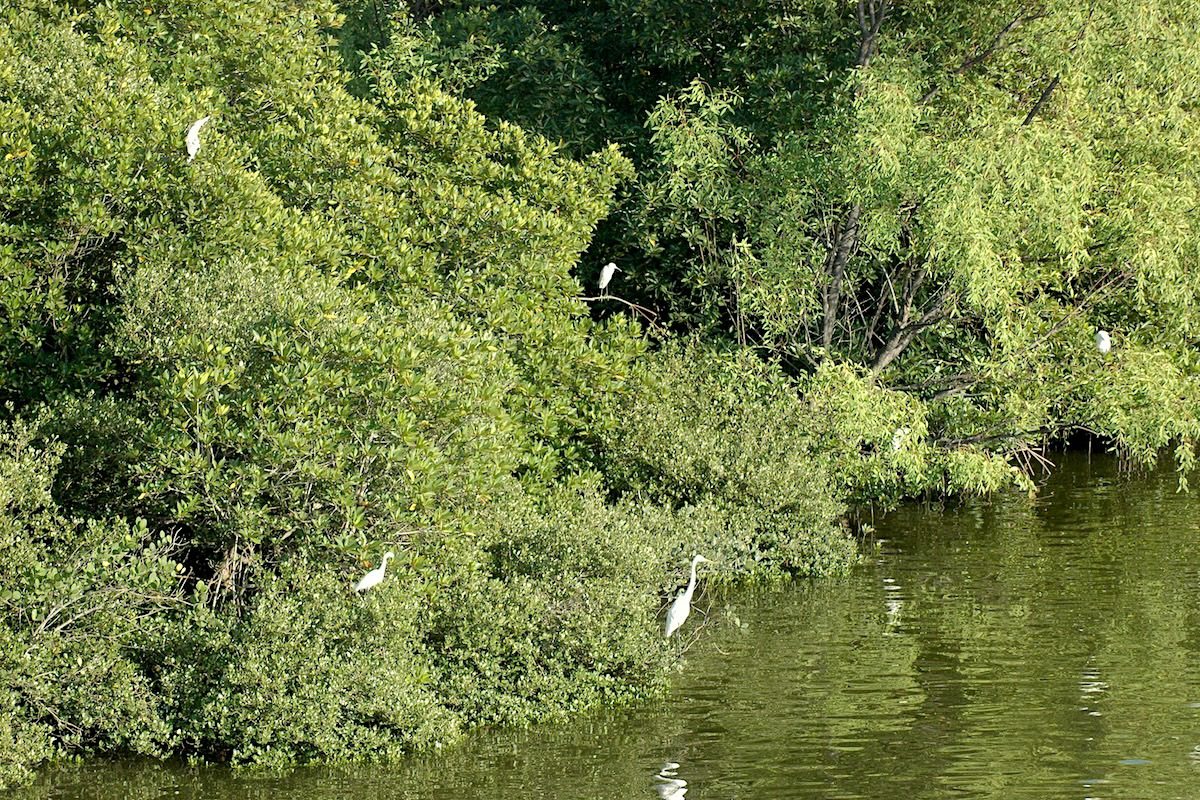
A push by China to revive its mangrove forests is paying off. Not only have mangroves colonized large areas of coastline, but the new forests have drawn scores of new bird species. Read more on E360 → https://e360.yale.edu/digest/china-mangrove-restoration-bird-species #Environment #Climate #Science #Yale #ClimateDiary #ClimateCrisis #Nature
5
0
4
0